MITOSIS by Moodsoup
An architectural approach to cellular biology
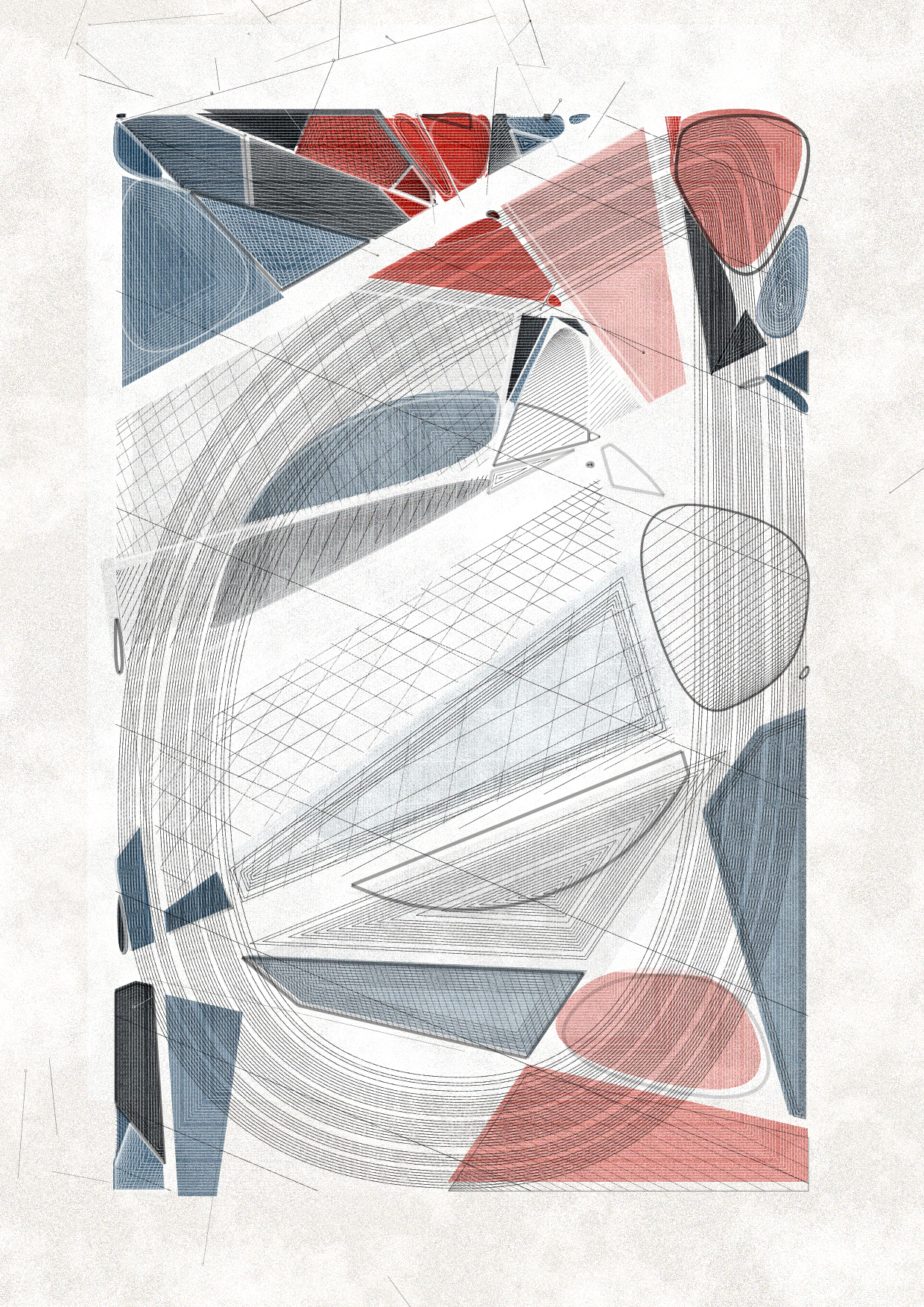
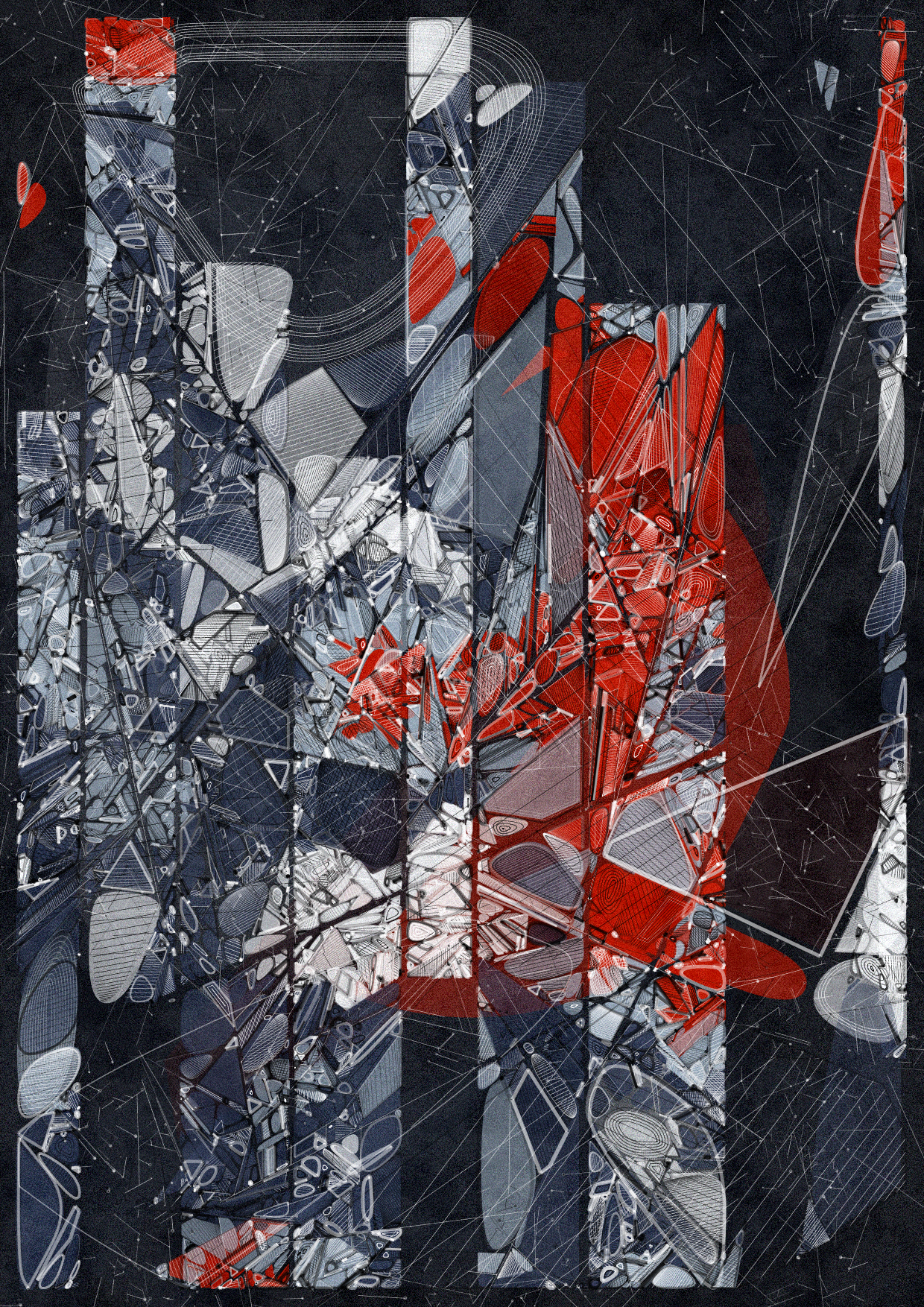
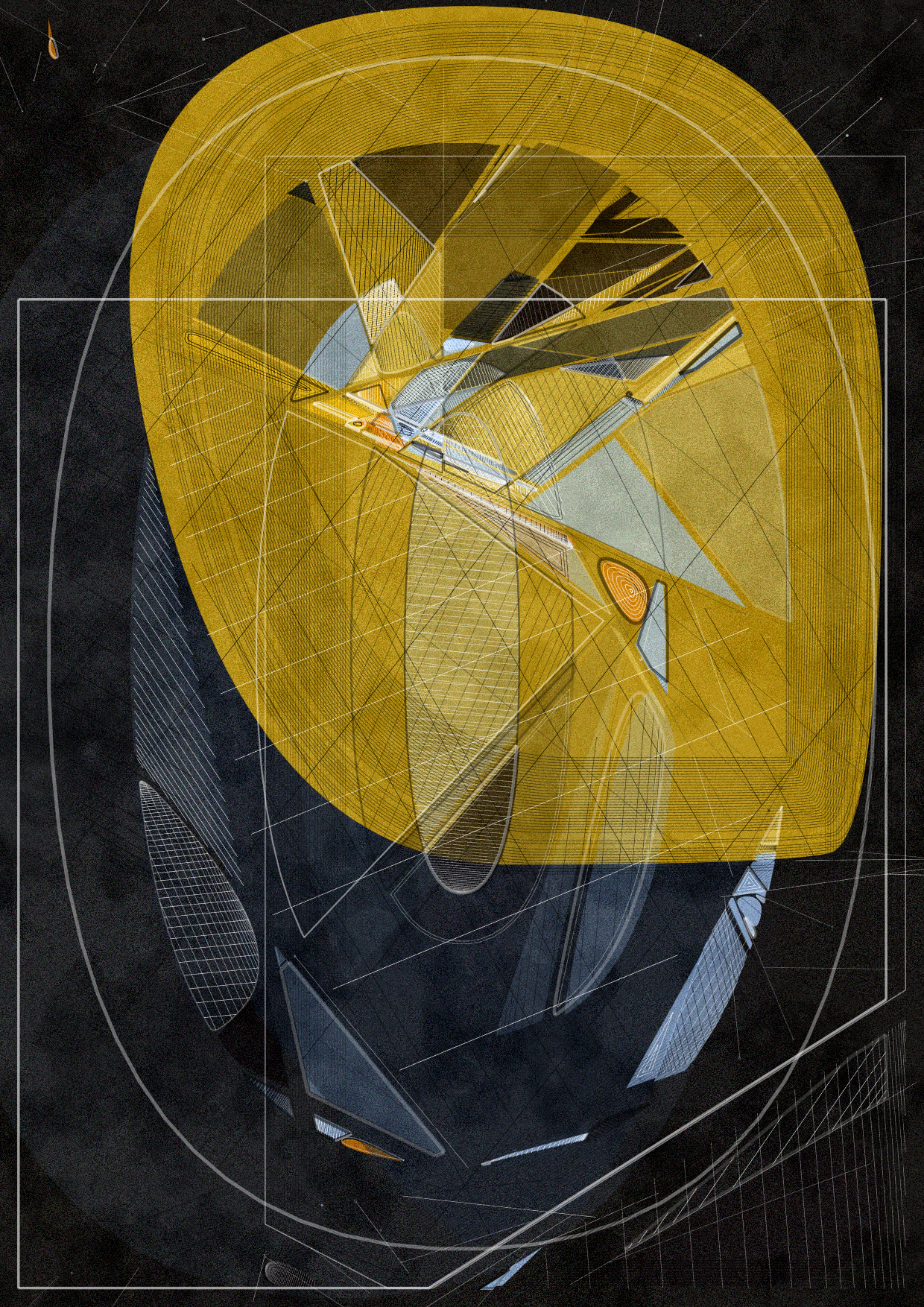
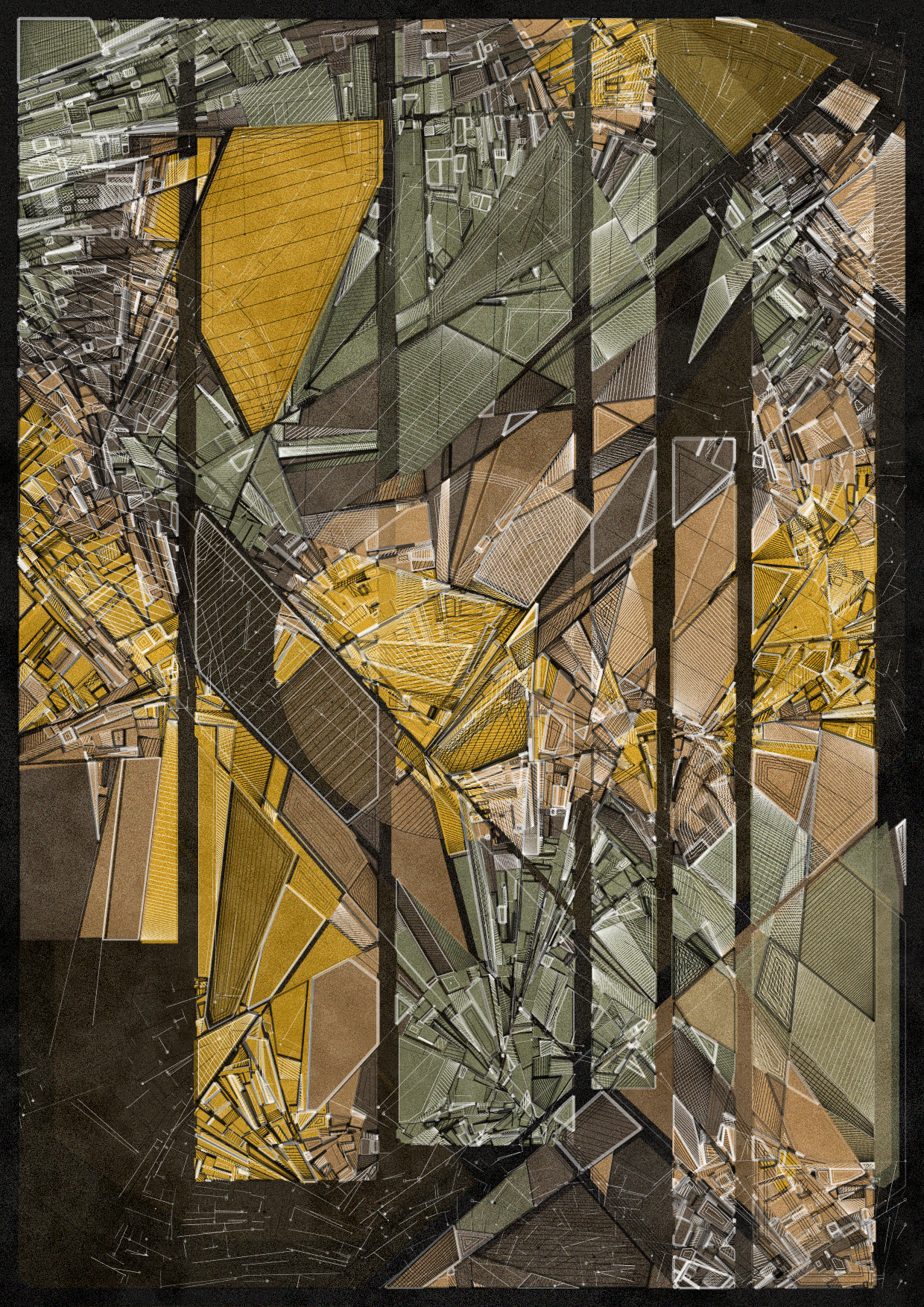
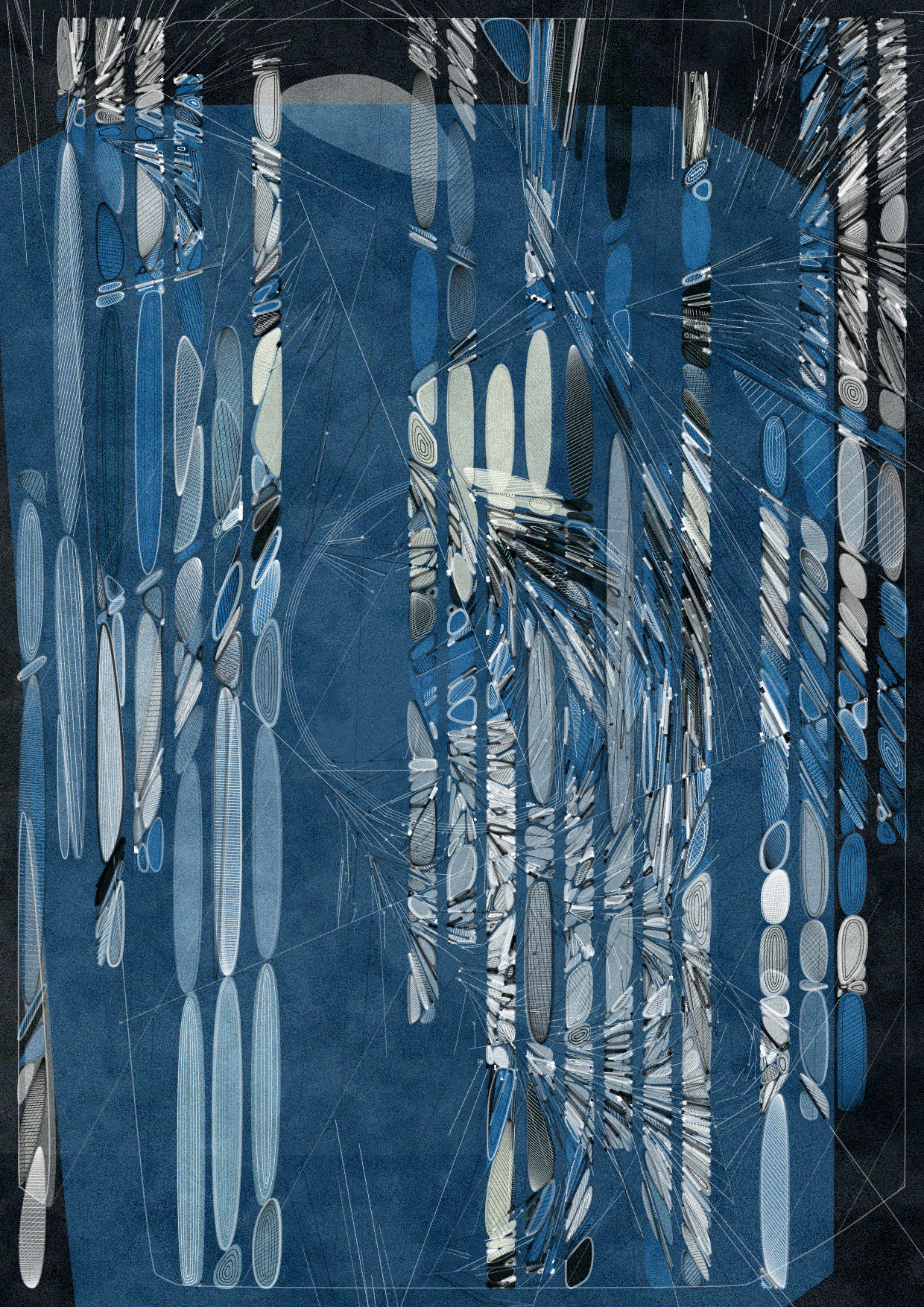
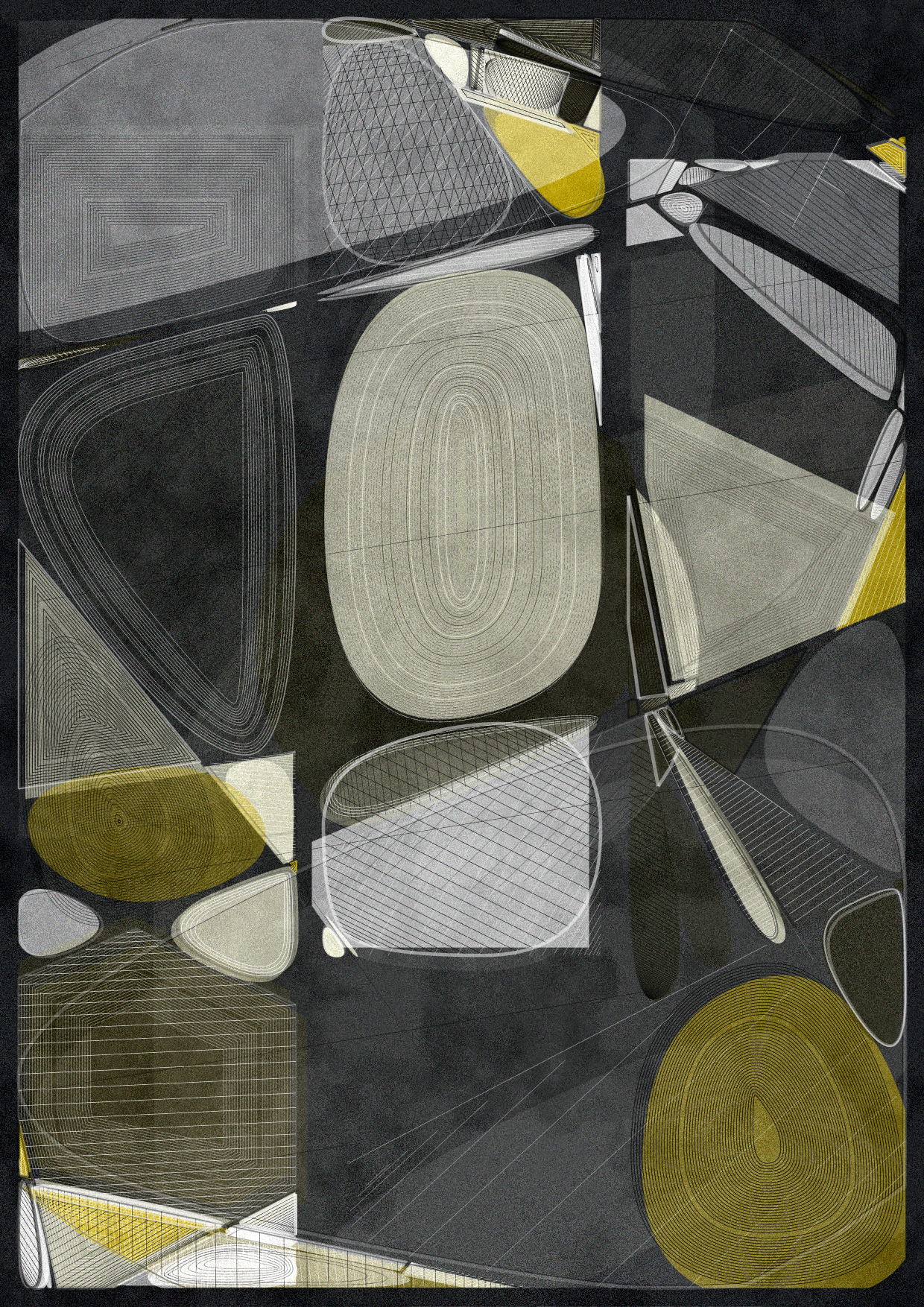
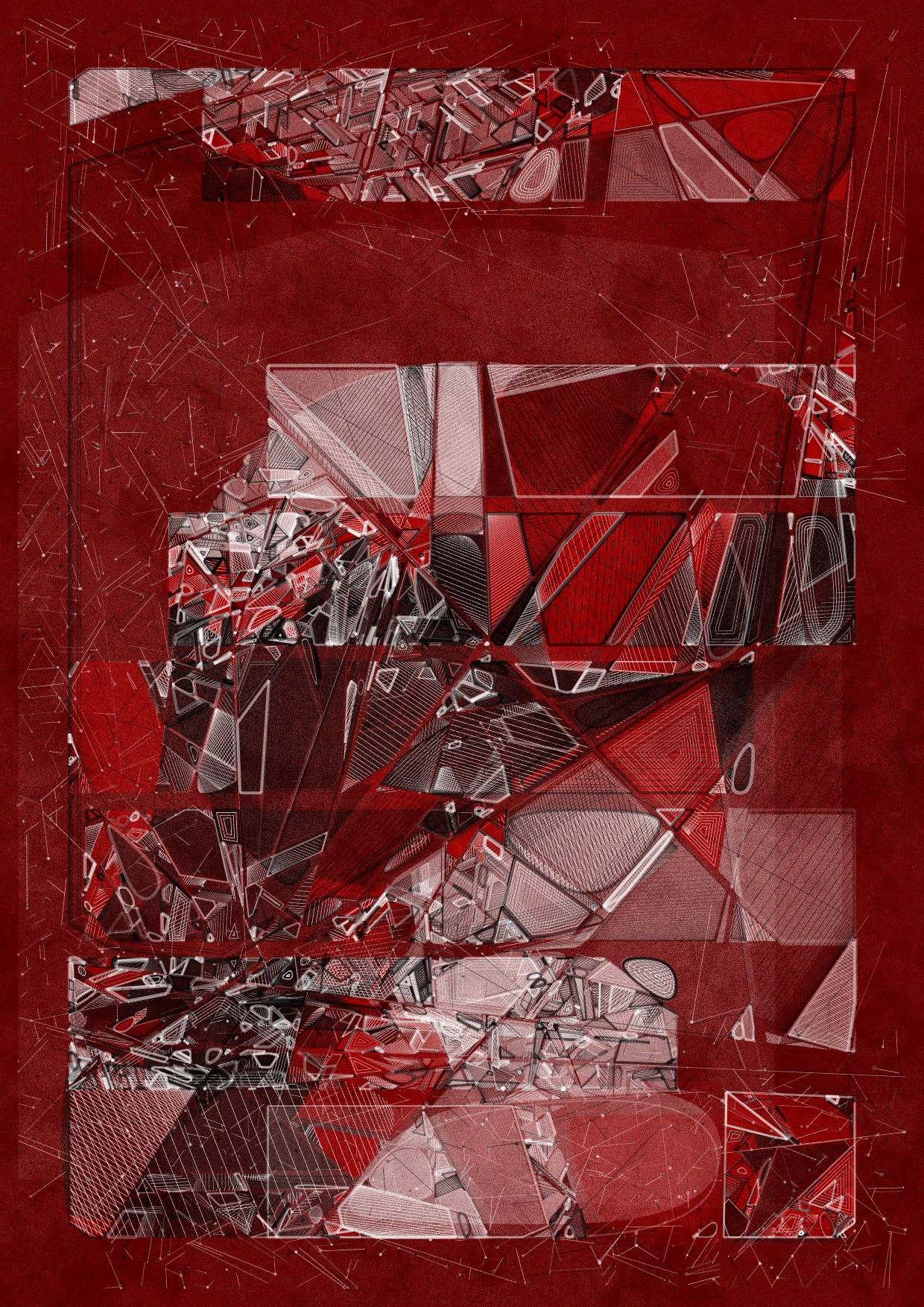
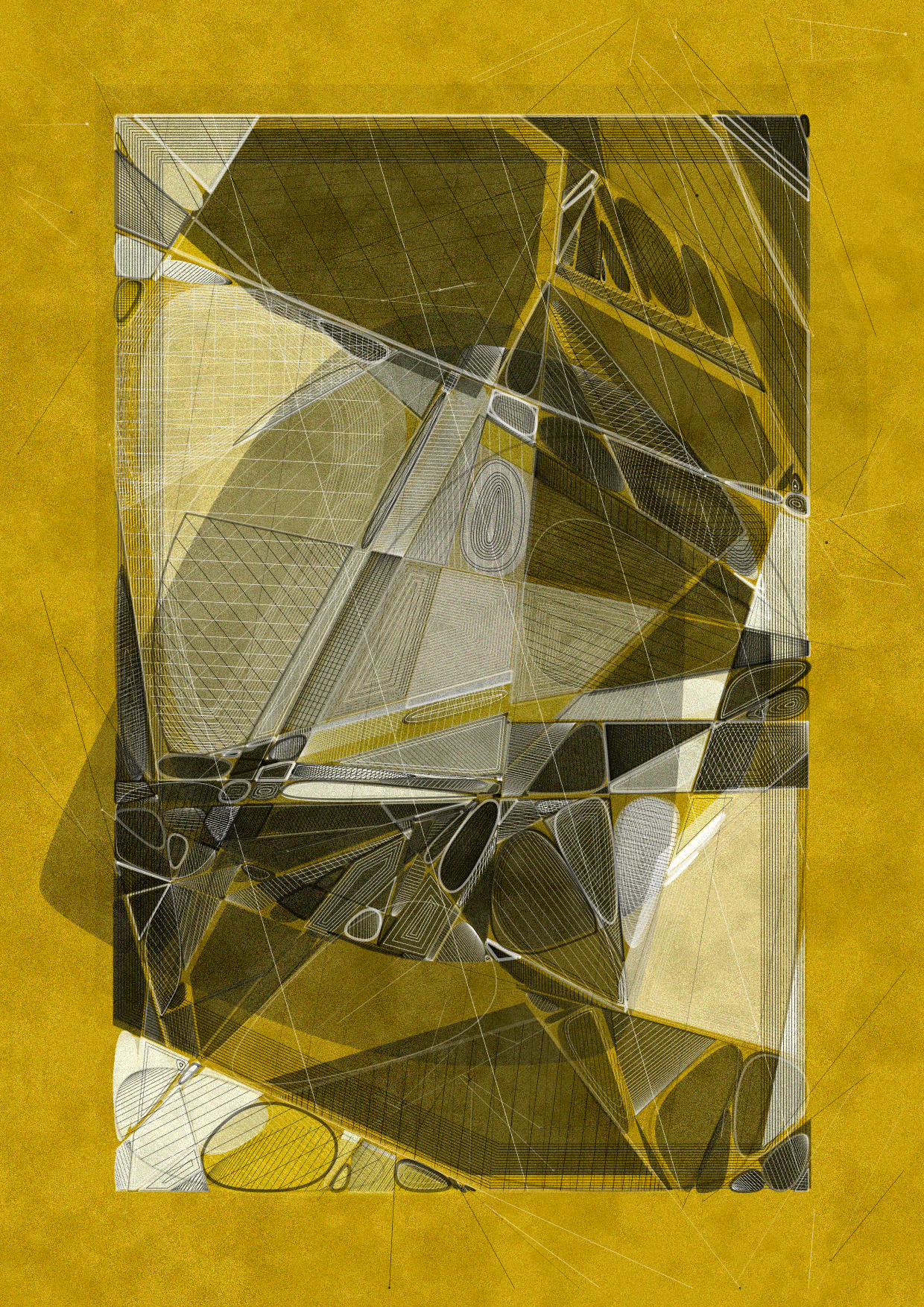
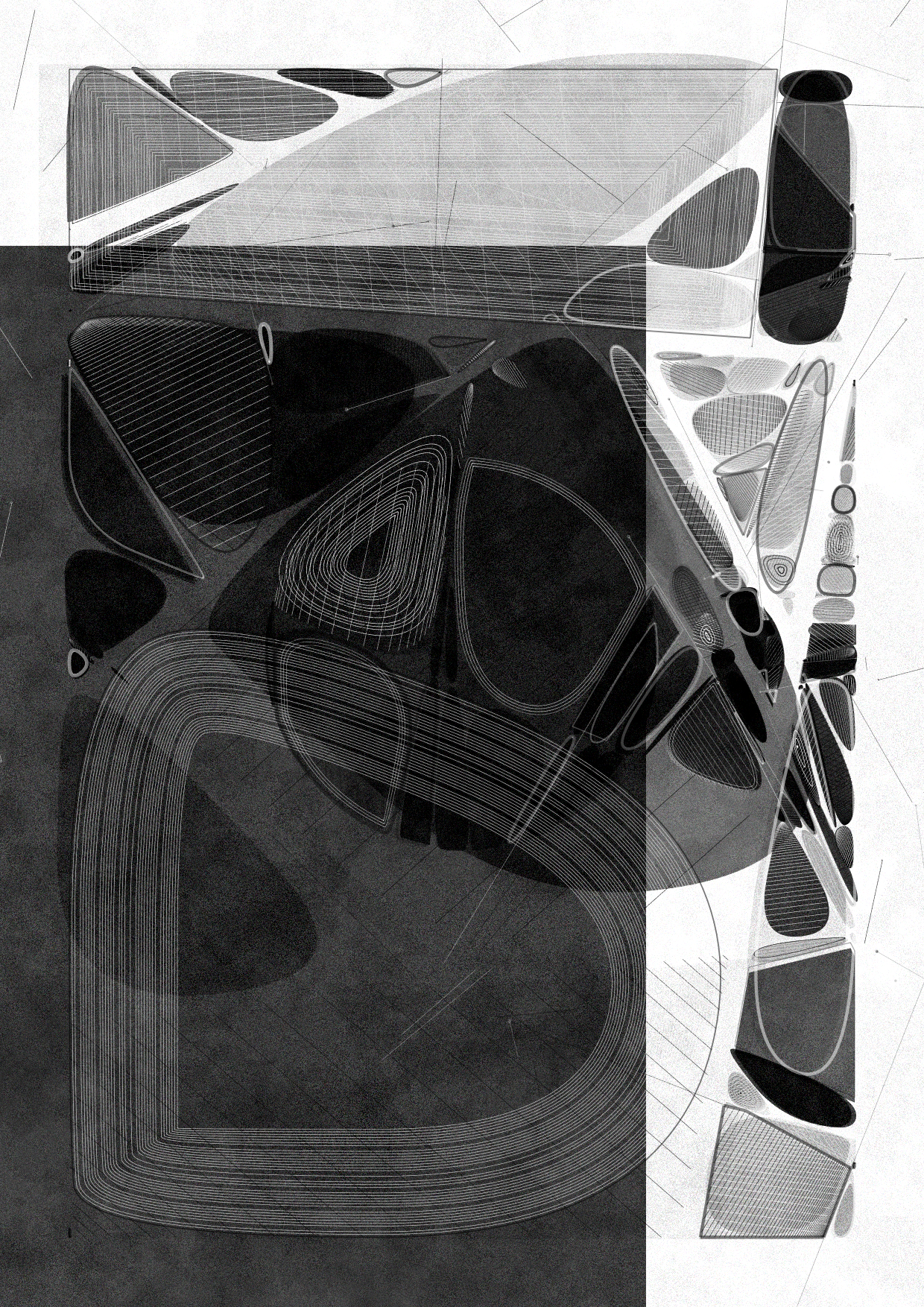
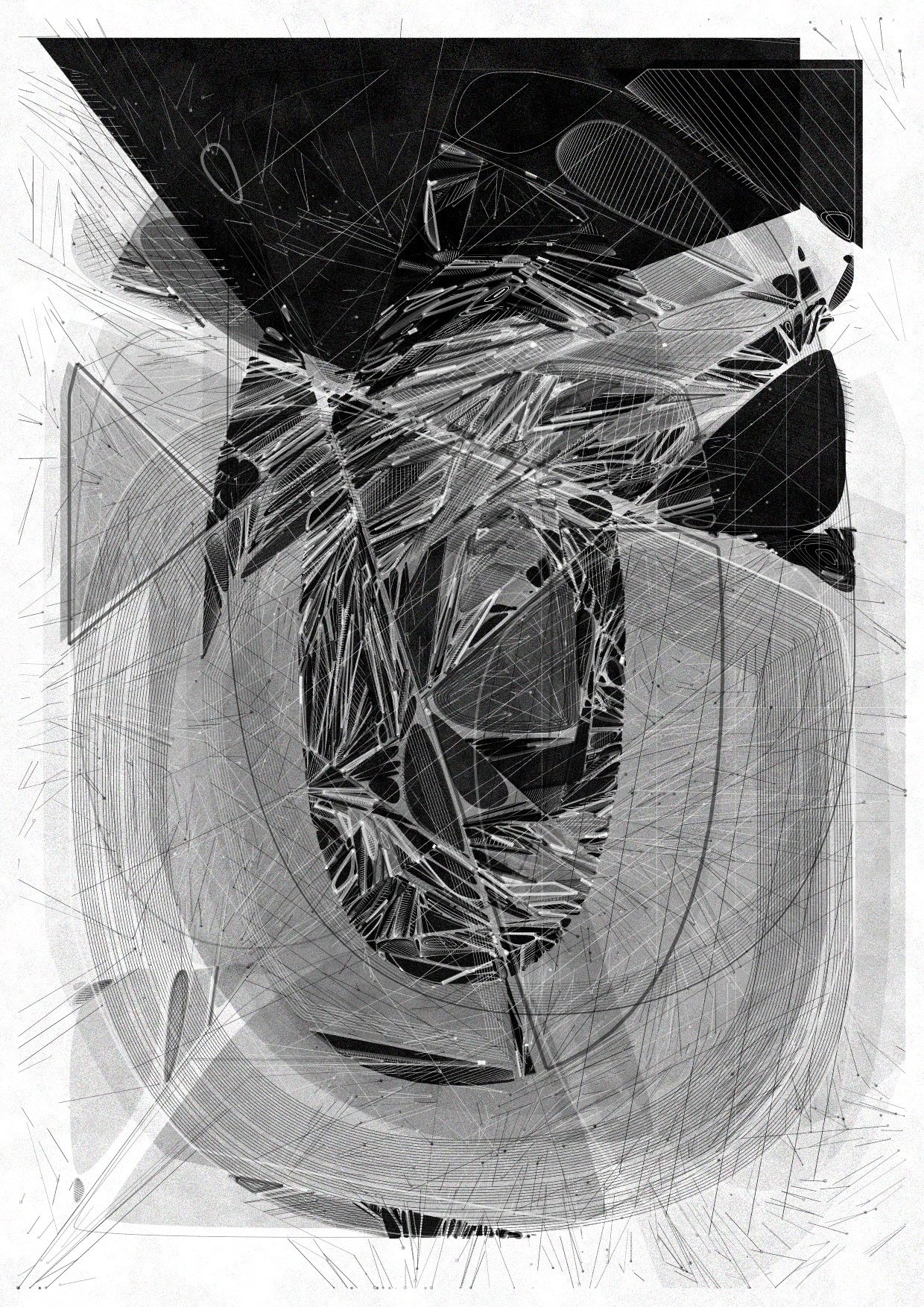
This generative art collection is an exploration of the fundamental processes that drive both the natural and the constructed worlds around us. It presents a visual narrative bridging cell biology and architectural design. Just as cells undergo mitosis, dividing and evolving, our man-made structures, too, emerge, adapt, and redefine the spaces they inhabit. Surprisingly, at an appropriate scale they can display striking parallels and even share a similar visual language. The intricate patterns, reminiscent of a cellular cross-section, intermingle seamlessly with elements that echo an architect's hand-drawn sketches, blurring the lines between the organic and the engineered.
The opposition of these microscopic and monumental worlds that coincide on the same canvas, engage the viewer to fluctuate between these two distinct realms.
COLOR
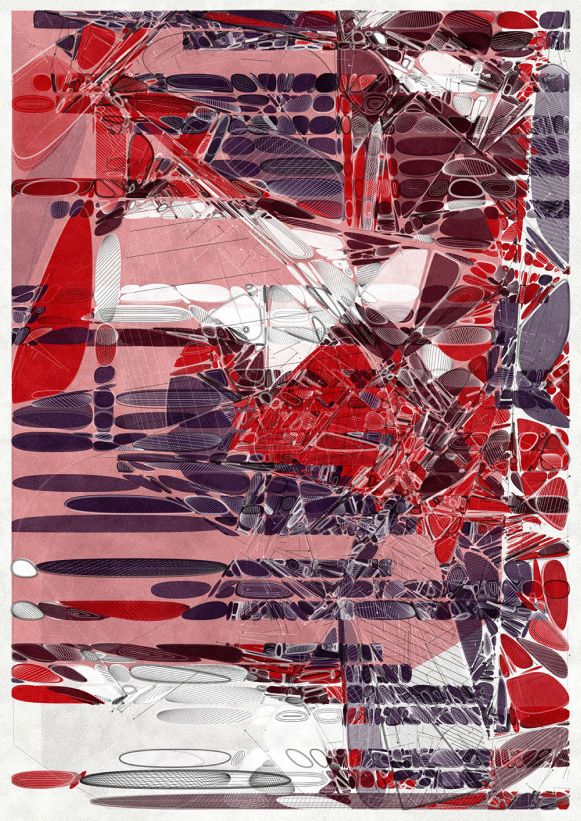
Inspired by biological structures and processes, 25 distinct color palettes have been curated: Albinism, Monochromatic, Green Algae, Chlorophyll, Hemoglobin, Hydrolysis, Erythrocytes, Pheomelanin, Redox, Phycobilins, Cyanobacteria, Osmosis, Blue Algae, Hydrophilic, Phosphorus, Xanthophylls, Mycelium, Rhizosphere, Photosynthesis, Bioluminescence, Hypomyces lactifluorum, Carotenoids, Aposematism, Chloroplasts and Chromatophores.
Each palette is a thoughtfully designed blend of a background color accompanied by 3 to 5 foreground colors. These foreground colors each carry a unique value, determining their likelihood of being incorporated into the design. Such a system enables the occasional introduction of contrasting hues and creating dynamic highlights within the composition.
The shapes emerging from the subdivision process are drawn as filled shapes with varying opacity, enhancing the tactile quality and nuance by blending the colors of the selected palette. Think of this stage as the fundamental layer or the underpainting. Additionally, these filled shapes are strategically offset based on their original positions and sizes, smaller shapes have a smaller offset compared to the larger ones. The color assigned to a shape is derived from its position and its 2D Perlin noise value. By discretizing this noise value and mapping it to a position in the color array, colors are systematically arranged in designated regions, introducing a structured elegance to the overall design.

LOREM IPSUM DOLOR
Inspired by biological structures and processes, 25 distinct color palettes have been curated: Albinism, Monochromatic, Green Algae, Chlorophyll, Hemoglobin, Hydrolysis, Erythrocytes, Pheomelanin, Redox, Phycobilins, Cyanobacteria, Osmosis, Blue Algae, Hydrophilic, Phosphorus, Xanthophylls, Mycelium, Rhizosphere, Photosynthesis, Bioluminescence, Hypomyces lactifluorum, Carotenoids, Aposematism, Chloroplasts and Chromatophores.


INFORMATION
Inscription: Block 9 x450 SATS
License: CC BY-NC-ND 4.0
File size: 72.94kB
Library: p5@1.0.0